
Relieving Side Effects of Cancer with Complementary Therapies
Cancer affects every part of your life — not just for people living with cancer, but also for their loved ones and caregivers. The emotional, mental, and physical toll can feel overwhelming, but complementary therapies can help. These therapies support the whole person—mind, body, and spirit. In this blog, we explore how complementary therapies and activities can help manage some of the side effects of cancer and its treatment.
Managing Insomnia
Insomnia is a common side effect of cancer, whether due to anxiety about the future, discomfort, or hot flushes. Lack of sleep can make everything feel harder, but there are ways to address this:
-
Aromatherapy: The controlled use of essential oils, such as lavender or chamomile, can promote relaxation. Massage is the most effective way to apply these oils, combining the soothing scent with the calming benefits of touch.
-
Reflexology: By stimulating specific points on the feet, hands, or face, reflexology can help relieve tension and promote better sleep.
-
Walking Group: Gentle exercise and fresh air are excellent for improving sleep. Join our walking group every Monday morning in Sutton Park—all abilities are welcome.
-
Talking Therapies: Sometimes, an overactive mind keeps sleep at bay. Talking to a professional can be really beneficial.
Supporting Mental Health
Cancer diagnosis and treatments can have a huge affect on you mentally. Sometimes the mental impact of cancer can feel harder to bear than the physical effects. These therapies will support your mental well-being:
-
Hypnosis: a highly relaxed and peaceful state (almost a daydream state) where positive suggestions can be placed directly into the sub-conscious mind for your benefit.
-
Counselling: Talking therapies aim to empower you to help yourself by giving you the tools you need to move forward
-
Creative Visualisation: Transform negative thoughts into positive ones using guided imagery techniques.
-
Emotional Freedom Technique (EFT): This method helps release emotional blocks and reduce stress, allowing you to feel calmer and more in control.
-
Homeopathy: A holistic approach that addresses mental, emotional, and physical imbalances, boosting overall resilience.
-
Groups: Weekly sessions such as yoga, art, and jewellery-making provide a creative outlet and community support.
Relieving Pain
Please don’t feel that pain is something that you just have to cope with, we have some recommendations for complementary therapies that can help.
-
Emmett Technique: A gentle, touch-based therapy that relaxes soft tissue, relieving discomfort and improving mobility.
-
Aromatherapy: Massage with essential oils like peppermint or eucalyptus reduces pain perception and relaxes muscles.
-
Acupuncture: Whether full-body or auricular (ear) acupuncture, this treatment helps manage pain, migraines, and tension.
-
Reflexology: Targeting specific pressure points helps alleviate discomfort and provides relaxation.
Scar Tissue and Restricted Movement
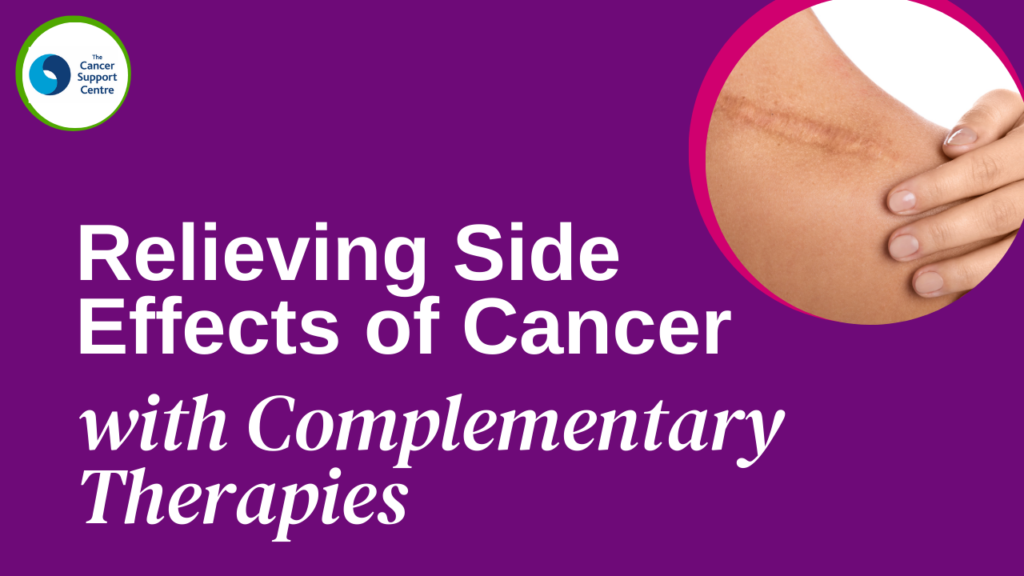
Surgery or radiotherapy can leave physical and emotional scars, along with restricted movement. These therapies can help:
-
Scar Tissue Release Therapy: This gentle manual therapy breaks down adhesions and promotes mobility, often improving the appearance of scars.
-
EMMETT Technique: Effective for addressing internal scars, such as those from breast cancer surgery, this therapy can restore movement and reduce discomfort.
-
Gentle Yoga: Stretching and strengthening exercises help improve flexibility and reduce stiffness.
Improving Mobility
Movement challenges following treatment can impact your quality of life. The following therapies can help:
-
EMMETT Technique: Helps ease pain and enhance movement.
-
Tripudio: A gentle exercise class combining elements of yoga, Pilates, and dance, ideal for improving lymphatic flow and balance.
-
Yoga: Weekly yoga sessions help reduce stress while building strength and flexibility.
Managing Lymphoedema
Lymphoedema — swelling caused by lymph fluid buildup — is a common side effect of cancer treatment. While it can’t be cured, symptoms can be managed with these therapies:
-
Tripudio: Gentle exercises help stimulate lymphatic flow and reduce swelling.
-
Reflexology: This treatment encourages lymphatic drainage and promotes relaxation.
-
EMMETT Technique: Targets lymph movement to reduce fluid buildup and boost energy levels.
Coping with Sickness and Loss of Appetite
Cancer treatments can leave you feeling sick and reduce your appetite, at a time when your body really needs the best nutrition you can give it. These suggestions can help:
-
Aromatherapy: Essential oils like peppermint or ginger can settle upset stomachs and stimulate appetite.
-
Walking Group: Gentle exercise in fresh air often helps improve appetite.
-
Breathing Exercises: Simple techniques, like inhaling for four counts, holding for seven, and exhaling for eight, can reduce nausea and promote calmness.
Managing Hair Loss
Hair loss is a very visible sign of what is happening to us. There’s so much to deal with when living with cancer, and hair loss is yet another thing. Here’s how we can help:
-
Indian Head Massage: Promotes healthy hair growth while reducing stress and fatigue.
-
Supportive Hairdressers: Visiting an understanding salon can make the experience feel positive.
-
Wigs: Choosing a wig can be a way to regain confidence and experiment with new styles. We recommend Pink Hair in Kingstanding.
We’re Here to Help
All of our clients have an initial meeting with a client advocate who will help them to chose the most suitable therapies or groups. Wherever you are in your treatment journey, our aim is to ensure that you will be the best you can be today, tomorrow and moving forward.
If you have been affected by cancer, directly or indirectly, then we are here to walk that journey with you. It’s your journey, but you don’t have to walk it alone.