
Nourishing your body with food
Getting the right nutrition is important for everyone, but especially so for anyone living with cancer. This is our advice for using food to nourish your body and your mind.
If you want to start focussing more on nutrition, read through our suggestions – supported by Wendy our naturopathic nutritionist – and think think about what feels most relevant to you. Start off with changes that seem the easiest, any positive changes you can make are great, you don’t have to start with anything drastic.
If you would like more personalised advice, please get in touch. We offer individual appointments with Wendy.
1. Foods to boost your immunity
Your immune system helps to keep you healthy by fighting off infections and diseases, so it makes sense to look after it as best you can. An easy way to support your immune system is by eating foods that will strengthen it.
What to eat to support your immune system:
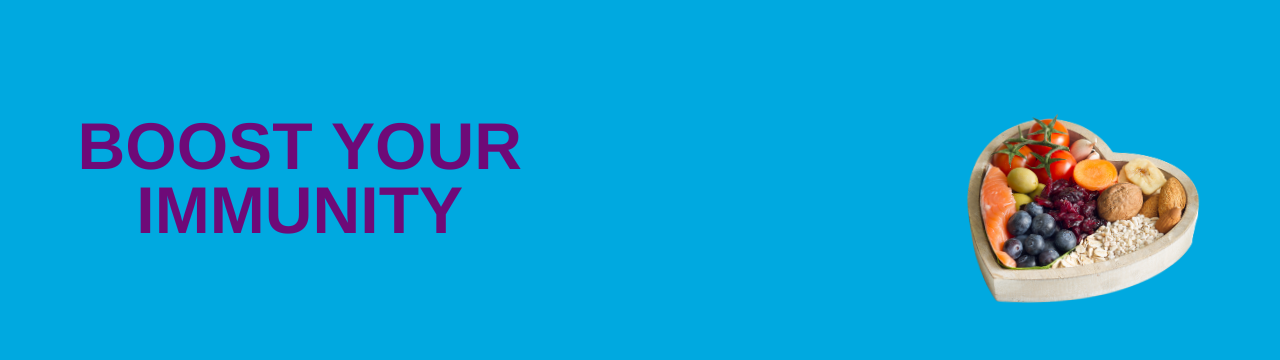
🥦Lots of vegetables! Particularly cruciferous vegetables, broccoli, spinach, kale. Any vegetables are beneficial though, even better if you can eat a rainbow of colours. Try making a vegetable soup if that’s more appetising.
🍓Berries are highly antioxidant and so help balance the immune system, and they are also high in vitamin C. They support our digestive system which is our first line of defence, and they have been shown to boost our immune response and reduce inflammation, so all round good for our overall health.
🥜 Nuts and seeds give us good fats and are a great source of fibre, which helps with detoxification. My personal favourites are ground flaxseeds as they are high in omega 3, and Brazil nuts are high in selenium (great for hair, skin and nails). Each nut and seed has a slightly different range of nutrients so try to eat a variety.
🥥 Oils, Coconut oil and avocado oil are great for cooking. Extra virgin olive oil is great, but probably better on a salad than for cooking with.
🌾 Whole grains. Brown basmati rice, brown seeded bread, wholewheat pasta, quinoa.
🐟 Oily fish is full of omega 3, an essential fat that helps support brain health and the immune system by reducing inflammation. Think SMASH fish (Salmon, mackerel, anchovy, sardines and herring). Tinned or smoked are fine.
🫘 Beans and legumes, high in fibre they bind to toxins to allow for efficient removal. Try chickpeas, haricot and cannellini beans and lentils.
To avoid/keep to a minimum:
- Sugar. Refined sugar is one to avoid. Dried fruit has lots of fructose, so don’t have too much. If you can eliminate sugar, that’s great, but reducing sugar consumption will help. Honey will be better than refined sugar.
- Trans-fats. Avoid margarine, processed foods and anything that has been fried at a high temperature.
2. Improve your wellbeing
Did you know that the foods we eat not only contribute to our physical health but can also affect our mood? Certain nutrients can have a positive impact on our mental well-being.
These eight nutrients have been shown to make a significant contribution to combating depression and mood disorders.
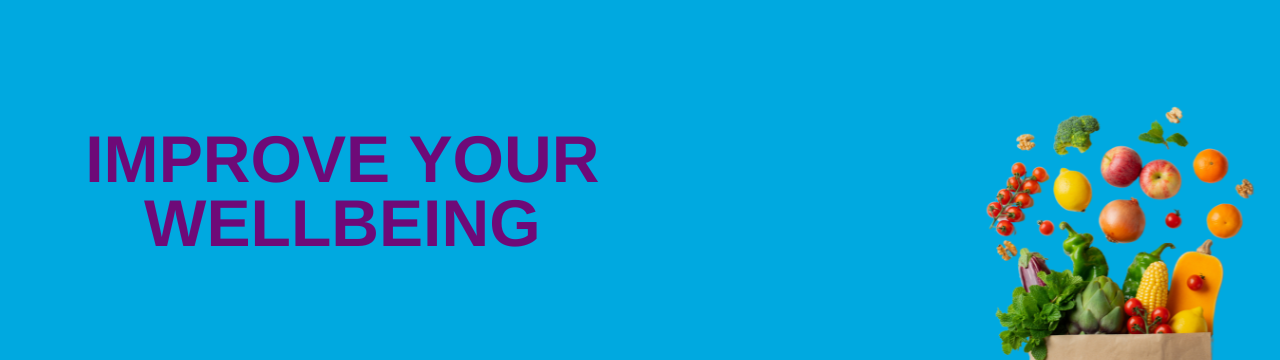
🍊 Vitamin C: More than just an immune booster, Vitamin C also aids in the production of dopamine, noradrenaline, and serotonin – key players in combating depression. Try oranges, lemons, strawberries, bell peppers, and broccoli
☀️ Vitamin D: The sunshine vitamin not only brightens your day but also contributes to a positive mental state. if you can’t get outside for a healthy dose of sunshine, consider a supplement to keep your spirits high.
🍌 Vitamin B6: Crucial for serotonin, norepinephrine, and melatonin production, Vitamin B6 deficiency may lead to depression. Carrots, spinach, sweet potatoes, green peas, lentils, and bananas are great for a healthy dose of B6
🐟 Omega-3 Fats: Your brain is 60% fat, and Omega-3 fatty acids ensure it functions optimally. Include chia seeds, flax seeds, wild salmon, herring, and sardines in your diet for a mood boost!
💫 Zinc: Deficiency in zinc has been linked to symptoms of depression. Nourish your body with legumes (especially sprouted), seeds, nuts, and whole grains to maintain a healthy balance.
🍃 Magnesium: Essential for various bodily functions, magnesium has long been recognised for its mood-enhancing properties. Prioritise legumes, tofu, whole grains, and leafy greens to meet your magnesium needs.
🥑 Folate: Contributing to serotonin regulation and enhancing the effectiveness of antidepressants, folate-rich foods like avocado, oranges, spinach, and asparagus are a must-have for a happier you!
🌰 Selenium: Often overlooked, selenium is vital for brain health and has shown promise in influencing mood. Incorporate Brazil nuts, wild yellowfin tuna, mushrooms, and lentils into your diet for a selenium boost.
Remember, feeling sad from time to time is a normal part of life’s ups and downs. However, making small, mindful changes to your eating habits may have an impact on your mood and overall happiness.
3. Food and drink for better sleep
Poor sleep is an issue for many of us, but it doesn’t have to be this way. The right food and drink at the right time can help you on your way to better sleep.
Here are our suggestions:
🎃 Pumpkin seeds. They are very high in magnesium. Magnesium deficiency directly affects sleep, but there’s also a correlation with anxiety and depression, both of which can affect our sleep.
🥝 Kiwi Fruit: Did you know kiwis contain serotonin and folate? A study in 2011 found that eating 2 kiwi fruit a night helped people to fall asleep quicker and stay asleep for longer.
🍄 Mushrooms: Rich in melatonin, tryptophan, and folate, all nutrients that can improve sleep.
🍚 Whole Grain Rice: Complex carbs like this, along with peas, beans, oats, and veggies, can boost serotonin levels, leaving you feeling more content and ready for a peaceful night’s rest.
🌰 Pistachios and Almonds: With melatonin and magnesium, these nuts can be your perfect bedtime snack!
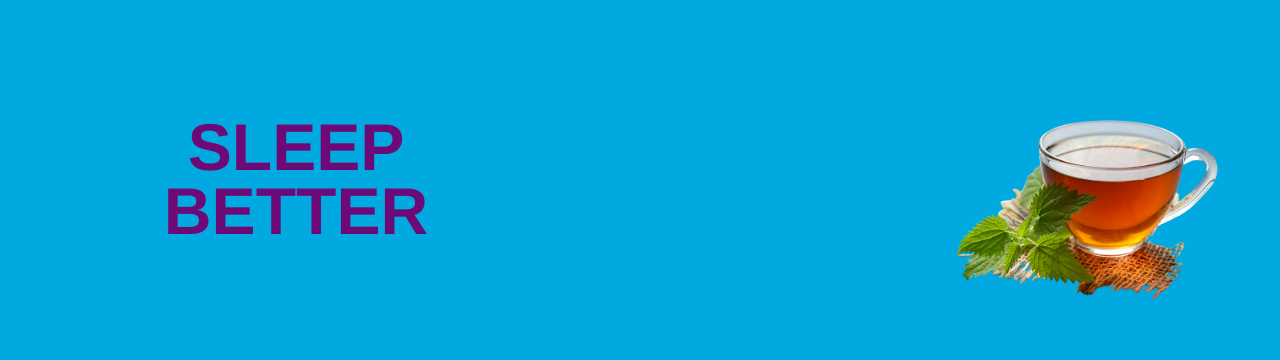
🍵 Chamomile Tea: It’s not just a traditional remedy anymore; scientific studies are backing up its sleep-improving effects! Sip some before bedtime.
🍵 Valerian Tea or Lemon Balm Tea: These herbal teas are believed to work wonders for sleep quality. Give them a try!
Remember, it’s not just what you eat but also when you eat that matters! If you’ve ever had a late meal, maybe with a glass or two of wine, you’ll know that timing of meals does make a difference to how you sleep. The morning is the best time to eat a big meal as we break our ‘fast’ but if you are eating a big meal then try to do it earlier rather than late in the evening.
What could you add to your diet to help keep your body and mind strong? Even a small step in the right direction is still a step forward.
We understand that living with cancer is not easy, don’t beat yourself up for having a treat now and again. The occasional indulgence is fine!
If you need our support to improve your nutrition, or just because the cancer journey can be a hard one, please get in touch, we are here for you.